

- About
- Activities of COE
- Staff Profile
- Former Controller of Examinations
- Rules and Regulations
- Outcome Based Education (OBE)
- Syllabus
- Examination Pattern
- Exam Fees Structure
- Grade, Grade Point and CGPA
- End Semester Examinations Time Table
- Question Papers
- Examination Results
- Graduation Day
- COE Timeline
- Examination System
- End Semester Examinations Guidelines
- Mark Statements
- Online Certificate Verification
- Best Practice
- Innovative Practices
About
The Office of the Controller of Examinations (COE) was established in June 1987 after obtaining the conferment of autonomy by the University Grants Commission (UGC). The office of COE plays a vital role in the autonomy of the examination system of the college. It is functioning systematically, following the schedule strictly. It maintains integrity, confidentiality, and transparency in the conduct of examinations.
Tel.: +91 4543 258358
E-Mail: coevivekanandacollege@gmail.com
coe@vivekanandacollege.ac.in
Activities of COE Office:
- Organization and Conduct of End Semester Examinations – theory and practical
- Valuation of answer scripts of End Semester Examinations
- Processing of marks, results and printing of mark statements
- Conducting Awards Committee Meeting for declaration of results
- Recommendation for award of degree from Madurai Kamaraj University.
- Addressing grievances of administration, faculty, staff and students on examination related issues.
- Planning and execution of all developmental activities of office of COE
- Students who have completed the programme (three years in UG and two years in PG) with outstanding arrears have a provision for Supplementary Examination. Students who have Reappearance in any number of courses in final semester and in a maximum of one paper in all the other semesters are eligible for appearing in supplementary examination. A Statement of Marks with several security features are issued to students.
DISCLAIMER
- Endeavour has been made to make available updated and accurate information. The contents of the COE’s Office web pages are solely for the purpose of providing easy and quick access to the students. If errors are brought to notice, they will be rectified. Nothing contained herein constitutes a warranty or promise on COE’s Office on any aspect of performance. COE’s Office will accept no responsibility and liability, of whatever nature, for the correctness of the material on this website. In this regard, all those concerned are advised to verify and ensure the correctness of facts or information displayed from COE’s Office.
Controller of Examinations
Dr.P.Jeyasankar
Head & Associate Professor of Physics
Dean and Controller of Examinations
Vivekananda College
Thiruvedagam West, Madurai – 625 234.
Mobile: +91-99426 16769
Office: +91-4543-258358
Email: pjeyasankar@vivekanandacollege.ac.in
coevivekanandacollege@gmail.com
coe@vivekanandacollege.ac.in
Staff Profiles
| Sl.No. | Name | Photo | Designation | Profile |
| 1 | Dr. P.Jeyasankar | 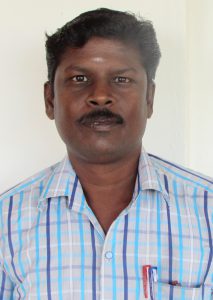 |
Controller of Examinations |  |
| 2 | Sri. S.Alagarsingam | 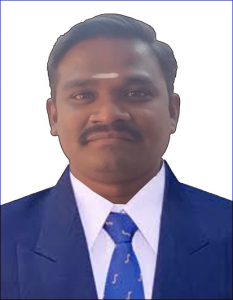 |
Lab Assistant | |
| 3 | Sri. R.Soundra Pandian | 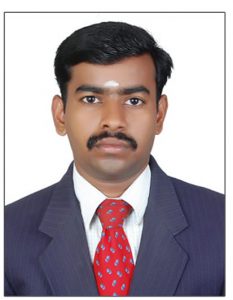 |
Typist | |
| 4 | Sri. A.Sundarapandi | 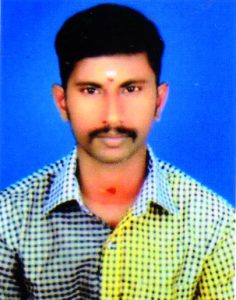 |
Office Assistant | |
| 5 | Sri. D.Vigneshwaran | 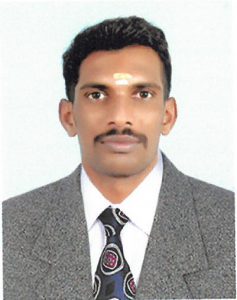 |
Office Assistant | |
| 6 | Sri. M.Rajan | 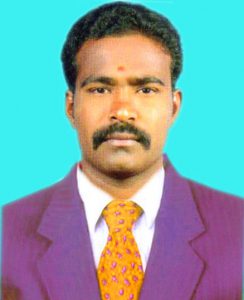 |
Office Assistant | |
Former Controller of Examinations
| Sl.No. | Name | Department | Photo | Year |
| 1 | Dr. G. Sanjeevi | Mathematics | 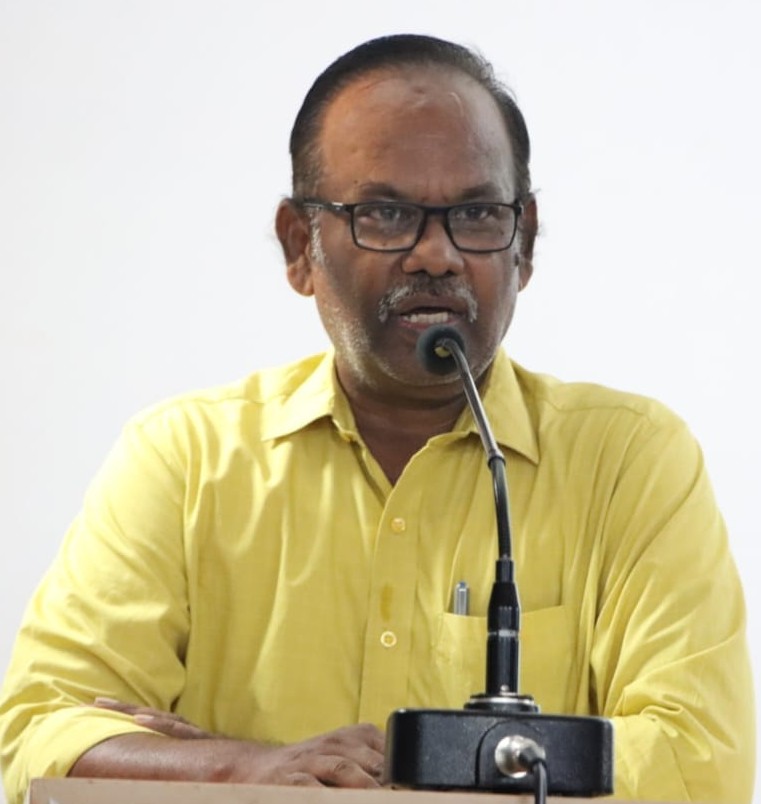 |
2021 – 2023 |
| 2 | Dr. K. Karthikeyan | Commerce | 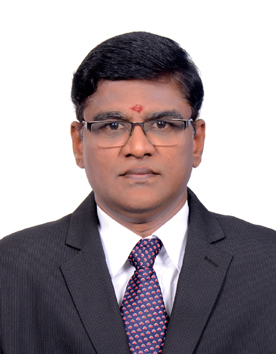 |
2018 – 2021 |
| 3 | Dr. P. Rajendran | Zoology | 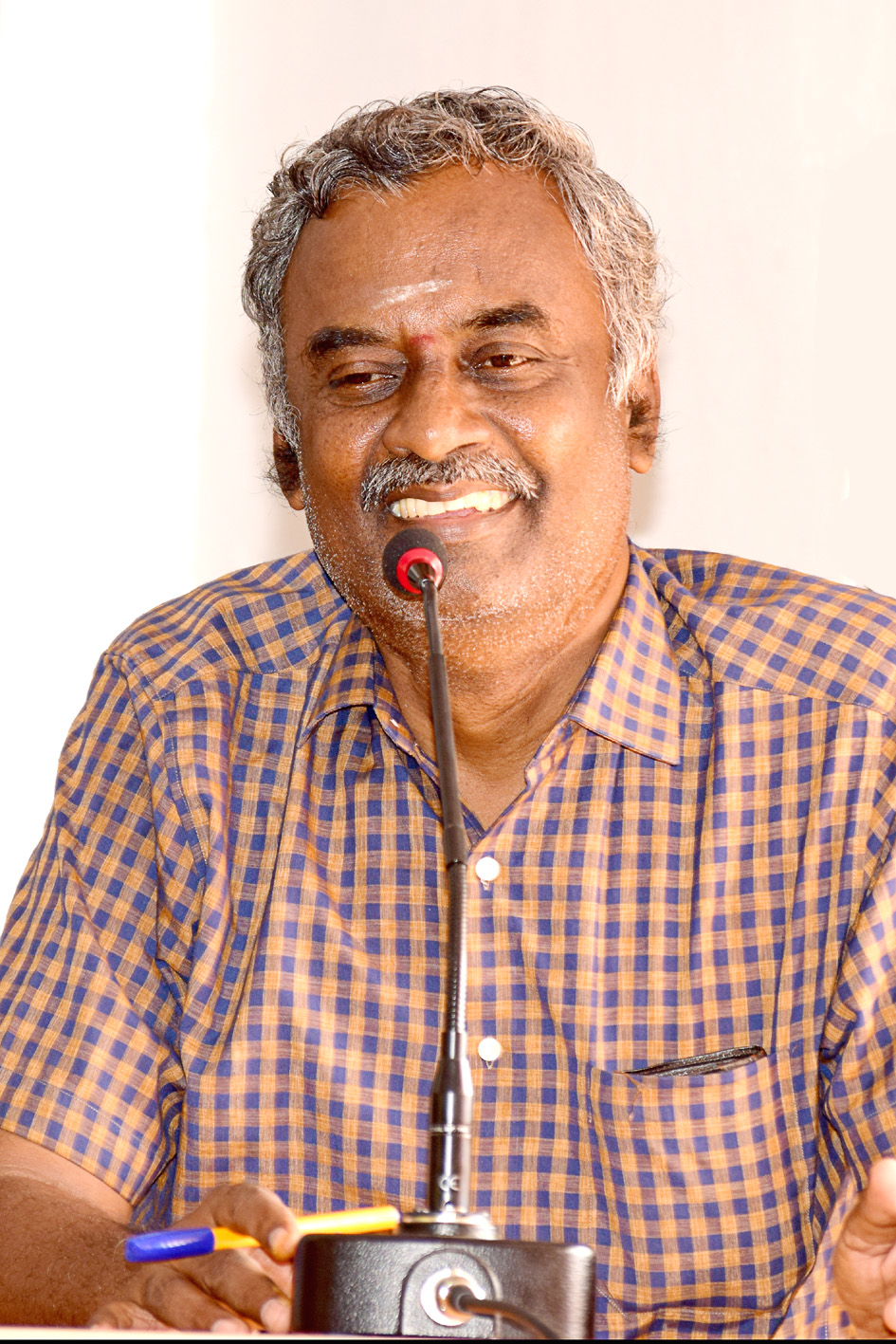 |
2017 – 2018 |
| 4 | Dr. E. Jeyakumar | Zoology | 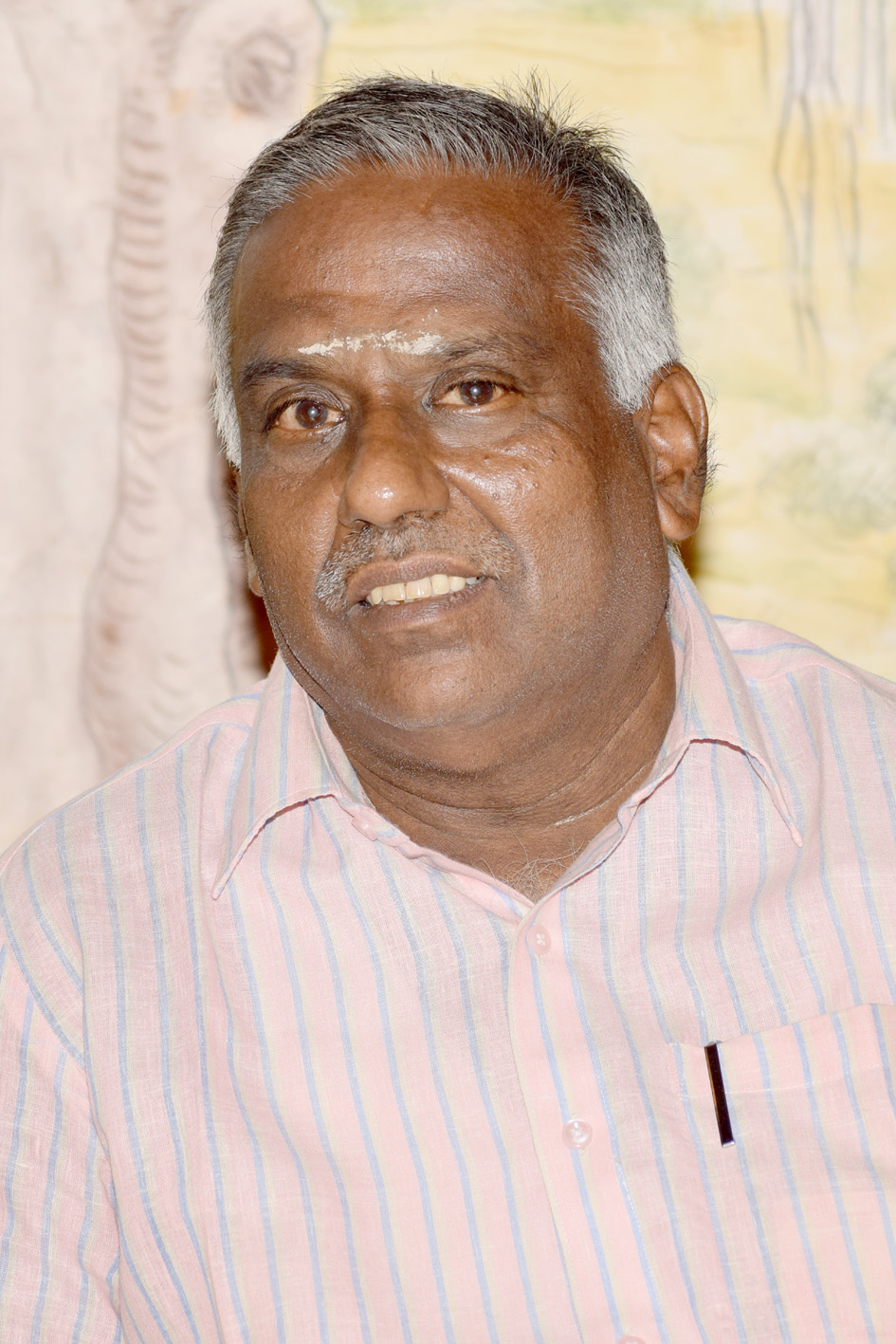 |
2013 – 2017 |
| 5 | Dr. S. Raja | Commerce | 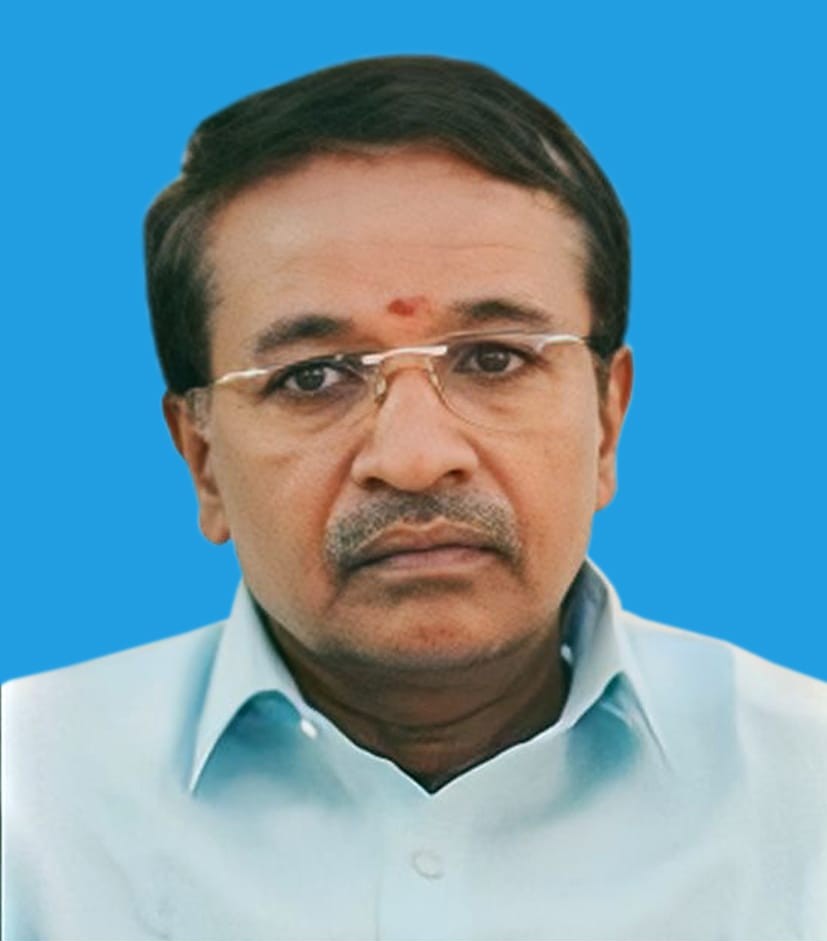 |
2012 – 2013 |
| 6 | Sri. T. Venkatesan | Commerce | 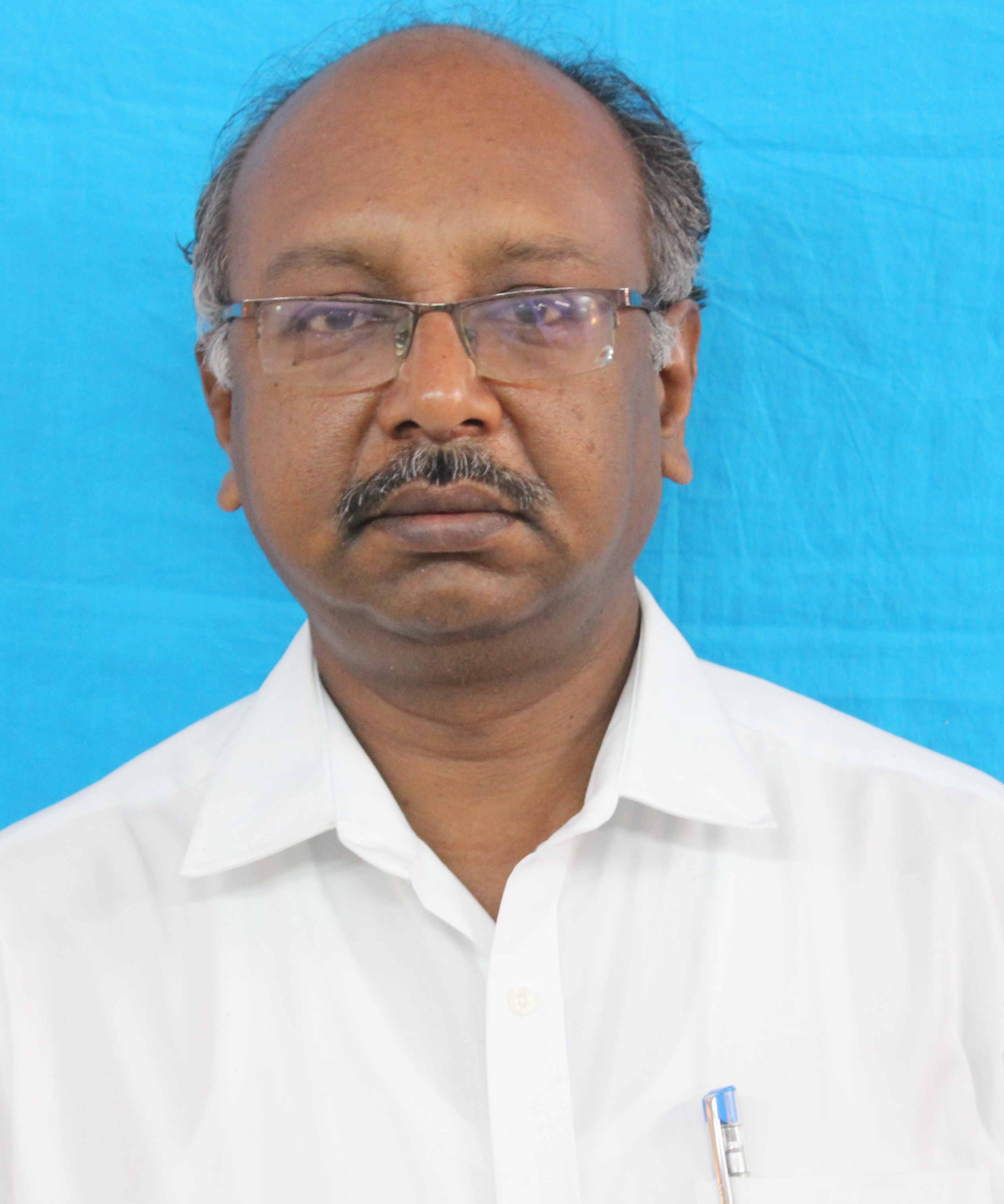 |
2010 – 2012 |
| 7 | Dr. S. Raja | Commerce | |
2006 – 2010 |
| 8 | Dr. R. Sevvel | Chemistry | 2003 – 2006 | |
| 9 | Dr. M. Sendhilvelan | Commerce | 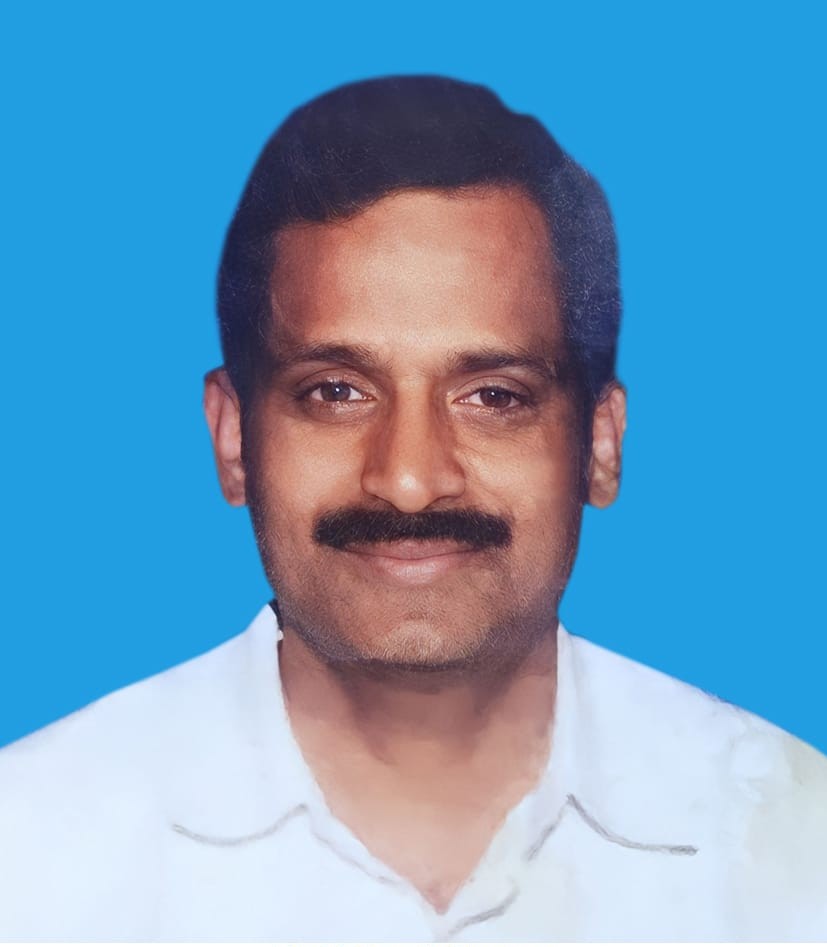 |
1999 – 2003 |
| 10 | Sri. C. R. Ananatharaman | Sanskrit | 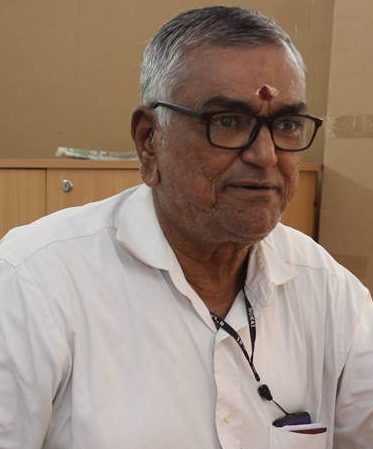 |
1996 – 1999 |
| 11 | Dr. R. Ilango | English | 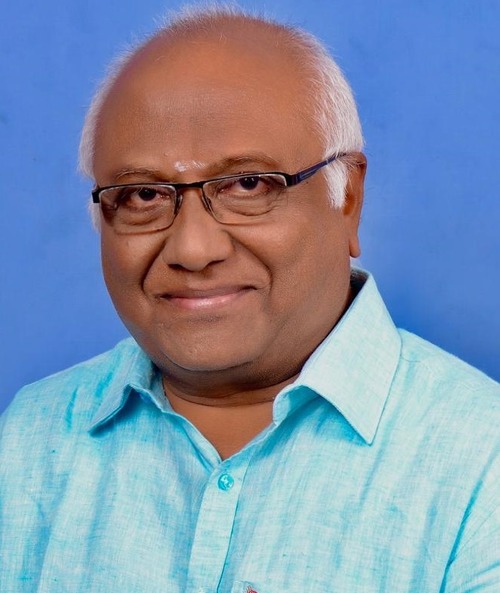 |
1993 – 1996 |
| 12 | Dr. R. Sugumaran | Zoology | 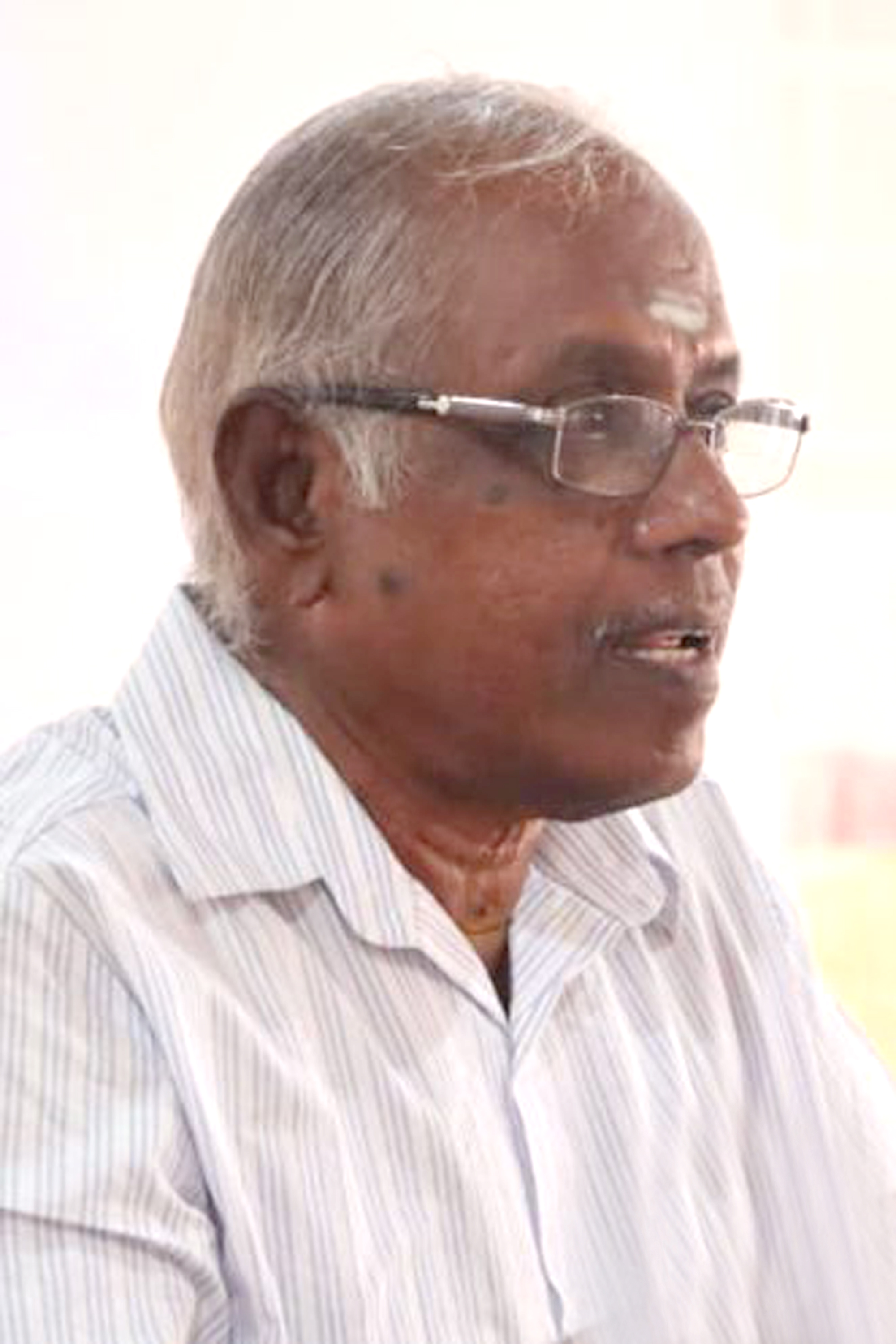 |
1990 – 1993 |
| 12 | Sri. A. Mani | Zoology | 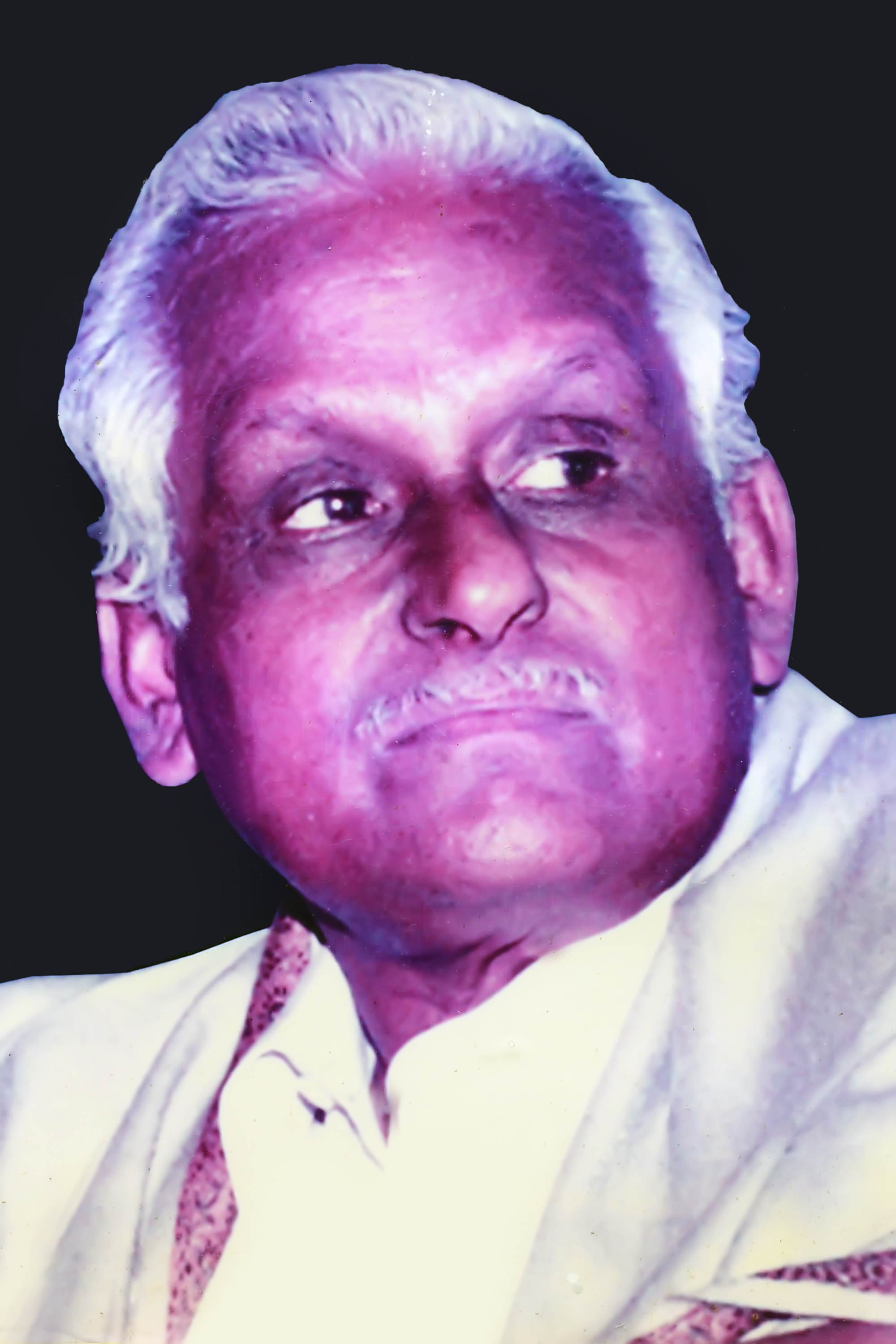 |
1987 – 1990 |
Rules and Regulations:
Summative:
The goal of summative assessment is to evaluate student learning at the end of an instructional unit by comparing it against some standard or benchmark. Note, ‘the end’ does not necessarily mean the end of an entire course or module of study. Summative assessments may be distributed throughout a course, after a particular unit (or collection of topics) has been taught, and there are advantages to doing
Their Rules and Regulations:
The Hall Ticket is issued subject to the candidate satisfying the Attendance and other requirements as per Rules, Regulations and Instructions by the Institution from time to time. If later, it is found that the candidate fails to comply with the above requirements, the examinations written by the candidate will be treated as cancelled
Candidate must occupy the allotted seat at least 10 minutes before the commencement of the examination. In no case, candidate shall be allowed to occupy a seat other than the seat allotted to him
Normally the Candidate will not be permitted to enter the hall after the commencement of the examination. Only on extraordinary circumstances, the candidates will be permitted during the first thirty minutes of the examination after obtaining the written permission from the Principal. Under any circumstances the Candidate shall not be permitted to enter the hall after the expiry of first thirty minutest
Candidate shall not be allowed to leave the examination hall before the expiry of 45 minutes from the commencement of examination. The candidate who leaves the examination hall during the period allotted for a paper will not be allowed to re-enter the hall within that period’s
Candidate who is suffering from infectious diseases of any kind shall not be admitted to the examination halls
Strict silence should be maintained in the examination halls
Candidate is required to bring his own pens, pencils and erasers. Candidate should use only blue or black while answering his papers
Before proceeding to answer the paper, the candidate should write his register number, semester, subject code and name and date of the examination at the appropriate space provided in the first page of the answer book and nowhere else in the answer book or in any additional attachment like drawing sheet, smith chart etcetera
If a candidate writes his register number on any part of the answer book/sheets other than the one provided for or puts any special mark or writes anything which may disclose, in any way, the identity of the Candidate, he will render himself liable for disciplinary action’s
Writing of wrong register number in the answer book will entail rejection of the answer book bind
Candidate is not allowed to exceed the prescribed time assigned to each paper’s
Candidate shall not talk/ask questions of any kind during the examinations
Candidate shall not carry any written / printed matter, any paper material, cell phone, pen drive, iPod, programmable calculator, purse, pouch, any unauthorized data sheet / table into the examination hall and if anything is found in his/her possession his/her shall be liable for disciplinary action’s
No Candidate shall pass any part or whole of answer papers or question papers to any other candidate. No candidate shall allow another candidate to copy from his/her answer paper or copy from the answer paper of another candidate. If found committing such malpractice, the involved candidates shall be liable for disciplinary action
Candidate found guilty of using unfair means of any nature shall be liable for disciplinary action
Candidate should produce the hall ticket on demand by the Invigilator and COE
Candidate shall not write anything in the Hall Ticket
Candidate shall write only the Register No. in the space provided in the Question Paper. Any other writing in the Question Paper is prohibited and punishable
Outcome Based Education (OBE) Curriculum:
In order to improve and enhance student learning and teaching quality, our curriculum has been designed based on the approach of Outcome Based Education (OBE) and implemented from the academic year 2018-19 onwards. The central aspect of OBE is to set measurable learning outcomes for programmes and courses and then align it with teaching, learning and assessment processes. Blooms Taxonomy has been used as the basis for setting learning outcomes, teaching methods and in student’s assessment.
Syllabus:
The syllabus is a “contract between faculty members and their students, designed to answer students’ questions about a course, as well as inform them about what will happen should they fail to meet course expectations.” It is also a “vehicle for expressing accountability and commitment”. Over time, the notion of a syllabus as a contract has grown more literal but is not in fact an enforceable contract.
Continuous Internal Assessment (CIA) for Theory Papers:
The Weightage assigned to various components of the CIA are as follows:
For UG Programmes: Maximum: 25 Marks
| 1 | Two Best out Three Centralized Tests | 15 Marks |
| 2 | Five Assignments | 5 Marks |
| 3 | Five Cycle Tests | 5 Marks |
| Total | 25 Marks |
For PG Programmes: Maximum: 25 Marks
| 1 | Two Best out Three Centralized Tests | 15 Marks |
| 2 | Assignments | 5 Marks |
| 3 | Seminar / Quiz | 5 Marks |
| Total | 25 Marks |
Grade, Grade Point and CGPA
The grade and grade points are given on the basis of the percentage of marks scored by the students as shown below:
| The range of Marks | Grade Point | Letter Grade | Description |
| 90-100 | 9.0-10.0 | O | Outstanding |
| 80-89 | 8.0-8.9 | D+ | Excellent |
| 75-79 | 7.5-7.9 | D | Distinction |
| 70-74 | 7.0-7.4 | A+ | Very Good |
| 60-69 | 6.0-6.9 | A | Good |
| 50-59 | 5.0-5.9 | B | Average |
| 40-49 | 4.0-4.9 | C | Satisfactory / Re-Appear |
| 00-39 | 0 | U | Re-Appear |
End Semester Examinations Time Table: